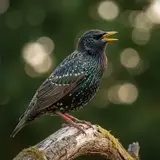
What matters at a Goodyear property
Photograph the active roost from the ground and note whether droppings are near an air intake, walkway, pool area, or solar equipment. Do not climb onto a hot or steep roof to inspect it.
Signs worth mentioning on the call
Repeat morning or evening roosting
Droppings concentrated below one ledge
Nesting material near vents or solar panels
Bird traffic entering a roof or duct opening
Get from wildlife signs to a clear removal plan.
Explain where the activity is happening and what you observed. That helps the wildlife professional plan the inspection, animal work, repairs, and cleanup.
A safer sequence before work begins
- 1
Confirm whether birds are nesting or only roosting
- 2
Identify protected-species constraints
- 3
Price sanitation separately from deterrent work
- 4
Confirm the deterrent will not damage roofing or solar equipment
Safety and agency flag
Avoid dry sweeping accumulated droppings and do not block an active nest without confirming species and nest status.
Questions to ask before authorizing work
- Does the quote identify the likely entry point and the animal evidence?
- Are inspection, removal, exclusion repairs, cleanup, and follow-up priced separately?
- What happens if the animal cannot be confirmed during the first visit?
- Who handles permits, protected species, or public-health escalation if needed?
Primary and official sources
Verify the current guidance
Common questions
Before you make the call
Is cleanup included with pigeon control?
Not automatically. Ask for removal, nesting material, sanitation, access, and deterrent hardware as separate line items.
Can any bird be removed immediately?
No. Identification, nest status, and legal protections can affect the method and timing.