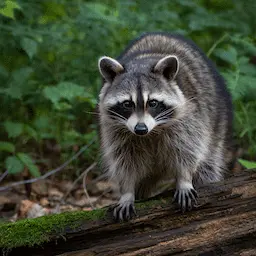
What matters at a Goodyear property
Record where the animal is active, what time it appears, and whether food, water, shade, or a structure is drawing it back. Those details help the wildlife professional recommend the right next step.
Signs worth mentioning on the call
Repeat nighttime access to food or water
Tracks or droppings near a structure
Damage at a roof, vent, or pet door
Heavy movement inside an attic or enclosed area
Get from wildlife signs to a clear removal plan.
Explain where the activity is happening and what you observed. That helps the wildlife professional plan the inspection, animal work, repairs, and cleanup.
A safer sequence before work begins
- 1
Remove accessible attractants
- 2
Confirm structural entry before repairs
- 3
Account for dependent young
- 4
Compare removal, sanitation, and exclusion separately
Safety and agency flag
Do not corner, feed, or handle a raccoon. Unusual behavior, injury, or possible exposure belongs with animal-control or public-health guidance.
Questions to ask before authorizing work
- Does the quote identify the likely entry point and the animal evidence?
- Are inspection, removal, exclusion repairs, cleanup, and follow-up priced separately?
- What happens if the animal cannot be confirmed during the first visit?
- Who handles permits, protected species, or public-health escalation if needed?
Primary and official sources
Verify the current guidance
Common questions
Before you make the call
Does a yard sighting require removal?
Not necessarily. Repeated sheltering, structural entry, damage, or a safety issue is different from an animal passing through.
Can I close the roof opening?
Only after the active animal and any young are accounted for. Ask for the inspection basis before a permanent seal.